



The integration of robotics into healthcare represents one of the most transformative shifts in modern medicine. Over the past few decades, technological advancements have allowed robots to move beyond factory floors and research laboratories and into operating rooms, rehabilitation centers, and hospital wards. As healthcare systems around the world face mounting pressures — from aging populations to staff shortages — robotics offers a promising avenue to enhance the quality, efficiency, and accessibility of patient care. Far from replacing human caregivers, robotic systems are designed to work alongside medical professionals, augmenting their capabilities and allowing them to focus on what they do best: connecting with and caring for patients.
One of the most well-known applications of robotics in healthcare is surgical assistance. Systems such as the da Vinci Surgical System have revolutionized minimally invasive procedures by giving surgeons unprecedented levels of precision, control, and dexterity. These robotic platforms translate a surgeon's hand movements into smaller, more exact motions performed by robotic instruments inside the patient's body. The result is a reduction in incision size, blood loss, post-operative pain, and recovery time. Patients undergoing robotic-assisted surgeries often experience shorter hospital stays and a faster return to daily activities, significantly improving their overall surgical experience and outcomes.
Beyond the operating room, robotics plays a vital role in rehabilitation and physical therapy. Robotic exoskeletons and assistive devices are being used to help patients recovering from strokes, spinal cord injuries, and orthopedic surgeries regain mobility and independence. These devices provide consistent, repeatable, and data-driven therapy sessions that can be tailored to each patient's specific needs and progress. Unlike human therapists who may fatigue over time, robotic rehabilitation systems can deliver high-intensity, repetitive exercises with unwavering accuracy. The technology not only accelerates recovery but also empowers patients by giving them greater agency and measurable feedback throughout their rehabilitation journey.
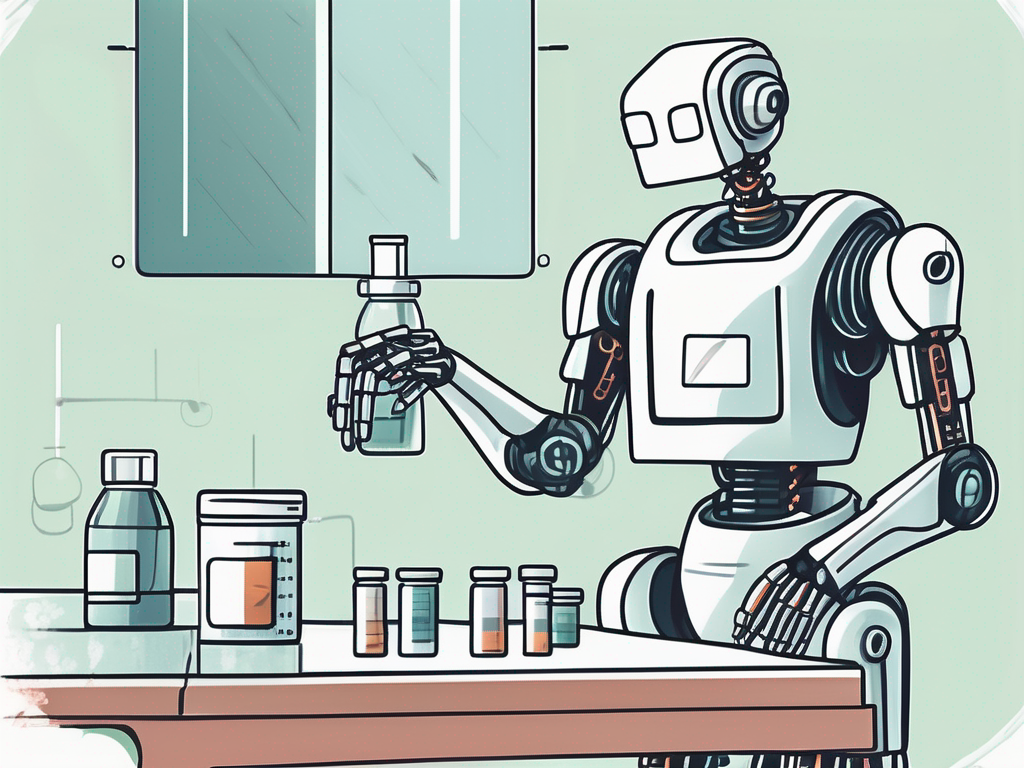
Robotics is also making significant strides in the realm of patient care and hospital logistics. Autonomous mobile robots are being deployed in hospitals to deliver medications, transport specimens to laboratories, and restock supplies — tasks that were previously performed by nursing staff and support personnel. By automating these time-consuming logistics, hospitals free up their clinical teams to dedicate more time to direct patient interaction and complex medical decision-making. Additionally, robotic telepresence systems allow physicians to conduct remote consultations with patients in rural or underserved areas, effectively bridging geographical gaps and bringing specialist care to communities that might otherwise go without.
Looking ahead, the future of robotics in healthcare is filled with extraordinary potential. Innovations in artificial intelligence, machine learning, and sensor technology are enabling the development of smarter, more adaptive robotic systems that can learn from their environments and interactions. From AI-powered diagnostic robots that can detect diseases at earlier stages to nanobots that may one day deliver targeted drug therapies at the cellular level, the boundaries of what is possible continue to expand. As these technologies mature and become more widely accessible, the role of robotics in healthcare will only grow — driving improvements in patient safety, clinical outcomes, and the overall standard of care delivered around the world.