When most people hear the word “blockchain,” their minds immediately jump to Bitcoin and the volatile world of cryptocurrency. While Bitcoin was indeed the technology’s first and most famous use case, it only scratches the surface of what blockchain is truly capable of. At its core, blockchain is a decentralized, tamper-resistant digital ledger that records transactions and data with unmatched transparency and security. These foundational properties — immutability, decentralization, and trustless verification — make blockchain far more than a financial tool. Across industries ranging from healthcare to agriculture, organizations are discovering that blockchain has the power to solve long-standing problems of inefficiency, fraud, and lack of transparency in ways that traditional systems simply cannot.
In the healthcare industry, blockchain is emerging as a groundbreaking solution for managing sensitive patient data and streamlining medical records. Today, patient information is often siloed across multiple hospitals, clinics, and providers, making it difficult to access complete and accurate health histories in a timely manner. Blockchain enables the creation of a unified, secure, and interoperable health record system where patients have full control over who can access their data. Beyond record management, blockchain is also being used to verify the authenticity of pharmaceuticals, combating the dangerous and widespread problem of counterfeit drugs. By tracking medications from manufacturer to patient on an immutable ledger, healthcare providers and regulators can ensure that every drug that reaches a patient is genuine and safe.
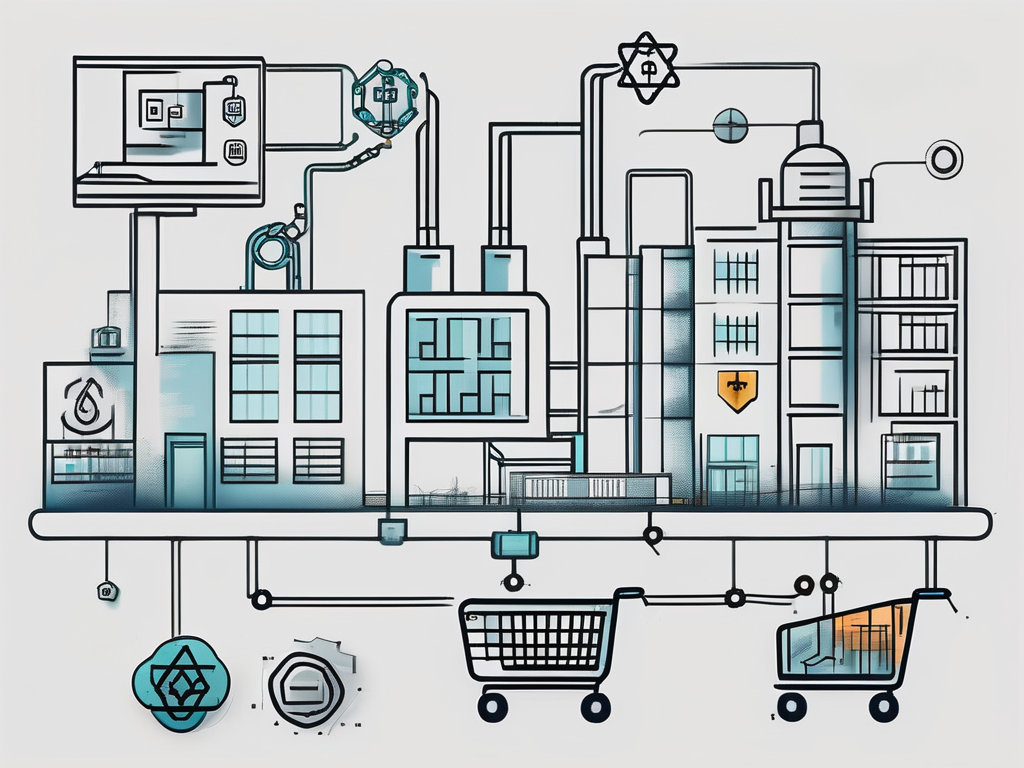
The supply chain and logistics sector is another area where blockchain is delivering transformative results. Global supply chains are extraordinarily complex, involving dozens of intermediaries, multiple countries, and vast amounts of documentation — all of which create opportunities for error, fraud, and inefficiency. Blockchain provides end-to-end visibility by creating a permanent, real-time record of every transaction and movement along the supply chain. Major retailers and food companies have already adopted blockchain to trace products from farm to shelf, enabling them to identify the source of contamination during food safety crises within seconds rather than days. This level of traceability not only protects consumers but also reduces waste, minimizes fraud, and builds greater trust between businesses and the customers they serve.
In the financial services industry — beyond cryptocurrency — blockchain is revolutionizing how transactions are processed, verified, and settled. Traditional cross-border payments can take several business days to complete and involve multiple intermediaries, each charging fees and introducing potential points of failure. Blockchain-based payment systems can facilitate near-instantaneous international transfers at a fraction of the cost, removing the need for intermediaries and increasing financial inclusion for people in underbanked regions of the world. Smart contracts — self-executing agreements written directly into the blockchain — are also transforming areas such as insurance, trade finance, and real estate by automating complex processes, reducing paperwork, and eliminating the need for costly third-party verification.
The potential of blockchain extends even further into sectors such as education, voting, intellectual property, and energy. Universities are using blockchain to issue tamper-proof digital diplomas and credentials that employers can instantly verify, eliminating the risk of fraudulent qualifications. Governments and organizations are exploring blockchain-based voting systems that could make elections more secure, transparent, and accessible. Artists and creators are leveraging blockchain through non-fungible tokens (NFTs) and smart contracts to protect their intellectual property and receive fair compensation for their work. Energy companies are piloting peer-to-peer energy trading platforms where individuals can buy and sell renewable energy directly with one another. As awareness and understanding of blockchain technology continues to grow, its adoption across industries will only accelerate — reshaping the way the world stores information, conducts business, and builds trust.

